Heels can instantly make an outfit look polished, but anyone who has spent several hours walking or standing in them knows that style is only half the story. The right pair should look good while also giving your feet enough support to get through the day comfortably.
Whether you need heels for work, weddings, parties, travel, or everyday wear, choosing the right design can make a noticeable difference. From block heels and wedges to cushioned pumps and low kitten heels, there are plenty of comfortable options available today.
In this guide, we’ll look at what makes a pair of heels comfortable and share practical tips for finding a pair you can actually wear for hours.
What Makes Heels Comfortable?
Comfortable heels are not necessarily the lowest heels. Instead, comfort usually comes down to a combination of heel height, shape, fit, cushioning, and support.
A well-designed heel should allow your foot to sit naturally without forcing your toes into an uncomfortable position. The sole should provide enough cushioning, while the heel should feel stable when you walk.
The material also matters. Soft leather, flexible fabrics, and other materials that gently adjust to the shape of your foot can be more comfortable than stiff materials that rub against your skin.
1. Block Heels for Everyday Comfort
Block heels are one of the most practical choices if you want extra height without sacrificing stability. Because the heel has a wider base, your weight is distributed more evenly than it is with a narrow stiletto.
They are particularly useful for office wear, dinners, shopping, and events where you expect to spend a lot of time on your feet.
For everyday use, a block heel around 2 to 3 inches can offer a good balance between height and comfort. Look for styles with a cushioned footbed and a secure strap if you want additional support.
2. Kitten Heels for a Subtle Lift
If you prefer a more elegant look without wearing high heels, kitten heels are worth considering. Their short heel provides a little extra height while keeping the foot closer to a natural position.
Kitten heels can work particularly well with dresses, tailored trousers, skirts, and formal outfits. They are also a useful option for people who find higher heels uncomfortable but still want a traditional heel silhouette.
When shopping for kitten heels, pay attention to the shape of the toe box. A low heel won’t feel comfortable if your toes are squeezed together.
3. Wedges for Better Stability
Wedges are another practical choice for comfortable heels. Unlike traditional heels, a wedge supports more of the foot because the sole extends underneath the heel.
This can make wedges feel more stable when walking, especially on outdoor surfaces. They are popular for summer outfits, casual occasions, vacations, and outdoor events.
Espadrille-style wedges can be particularly versatile with dresses, jeans, and lightweight trousers. However, make sure the wedge isn’t excessively high or heavy, as that can make walking tiring.
4. Cushioned Pumps for Work
A classic pump can be a great addition to a professional wardrobe, but comfort depends heavily on its construction.
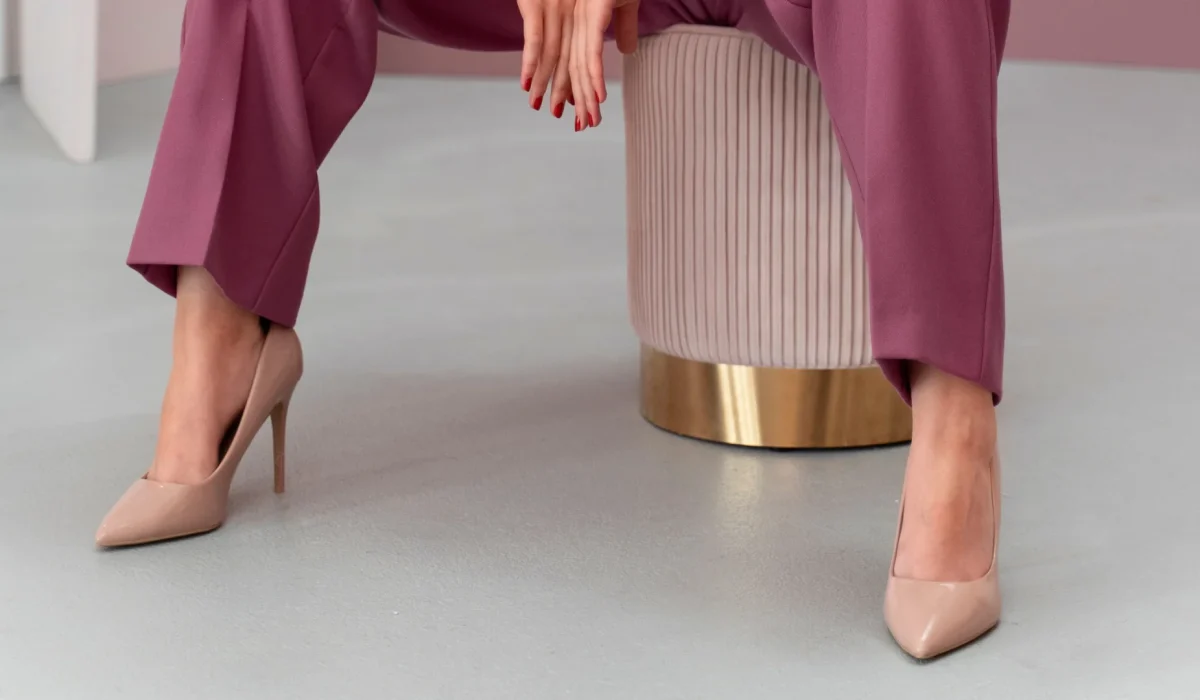
For long workdays, look for pumps with moderate heel heights, padded insoles, and a supportive sole. A slightly rounded or almond-shaped toe is often more forgiving than an extremely pointed design.
If you spend most of your working day walking between meetings or standing, consider choosing a lower heel. A stylish 2-inch pump may be much more practical than a 4-inch stiletto.
5. Strappy Heels for Special Occasions
Strappy heels can look elegant at weddings, parties, and formal events. However, thin straps can sometimes create pressure points, especially when worn for several hours.
For greater comfort, choose straps that hold your foot securely without digging into the skin. An adjustable ankle strap can also prevent your foot from sliding forward.
A small platform or cushioned sole can further reduce the pressure on the front of your foot.
How to Choose the Right Heel Height
Heel height is one of the first things to consider when shopping for comfortable heels. While everyone’s feet are different, lower and moderate heels are generally easier to walk in for extended periods.
Think about how you’ll actually use the shoes. If you need them for a few photographs and a short dinner, you may be comfortable with a higher heel. If you’re going to stand for six hours at a wedding or walk around an office all day, a lower or wider heel is usually more practical.
Instead of choosing shoes based solely on their appearance, consider the amount of time you’ll spend wearing them.
Check the Toe Box
A beautiful pair of heels can become unbearable if the toe box is too narrow.
Your toes should have enough room to move naturally without being squeezed together. Pointed-toe shoes can look sophisticated, but extremely narrow styles may create pressure on the toes.
When trying on heels, stand up and walk around. Your toes shouldn’t feel cramped, and your foot shouldn’t slide forward with every step.
Look for Proper Cushioning
Cushioning can make a significant difference, especially when you’re wearing heels for several hours.
Look for shoes with padded insoles or built-in cushioning under the ball of the foot. Some designs also include additional padding around the heel to reduce rubbing.
If your favorite heels aren’t cushioned enough, removable gel or foam inserts can sometimes improve comfort. Just make sure the insert doesn’t make the shoe too tight.
Pay Attention to Fit
The right size is essential, but shoe size isn’t the only factor. Two pairs in the same size can fit completely differently depending on the brand and design.
Try heels on toward the end of the day when your feet are naturally a little swollen. This can give you a better idea of how they’ll feel during extended wear.
Walk on a hard surface and check for slipping, pinching, or pressure. Don’t rely on the idea that uncomfortable shoes will eventually “stretch out.” Some materials may soften with wear, but serious pressure points usually don’t disappear.
Consider the Occasion
The most comfortable heels for you will depend on where you’re wearing them.
For work, choose moderate pumps or block heels. For weddings, cushioned block heels, wedges, or lower strappy heels can be practical. For casual outfits, kitten heels and low wedges are easy to style.
If you’re traveling, consider how much walking you’ll do. A pair that looks beautiful but becomes uncomfortable after 30 minutes may spend most of the trip in your suitcase.
Tips for Making Heels More Comfortable
Even a well-designed pair of heels can benefit from a few simple tricks:
-
Break them in at home before wearing them to an event.
-
Use cushioned inserts if the sole lacks padding.
-
Choose wider heels when you’ll be standing for long periods.
-
Avoid shoes that pinch your toes or slip at the heel.
-
Carry comfortable flats as a backup for long events.
-
Wear shoes with secure straps if you expect to walk frequently.
-
Don’t ignore pain or numbness while wearing heels.
Final Thoughts
Finding the best comfortable heels doesn’t mean giving up style. The key is choosing a design that suits both your feet and the occasion. Block heels, wedges, kitten heels, and cushioned pumps can all provide a good combination of elegance and practicality when they’re properly fitted.
Before buying, consider heel height, toe shape, cushioning, material, and overall stability. Most importantly, don’t judge a pair of heels by how they look while you’re sitting down. Walk around in them and pay attention to how your feet actually feel.
The best pair is ultimately one that makes you feel confident and comfortable enough to enjoy your day without constantly thinking about your shoes.